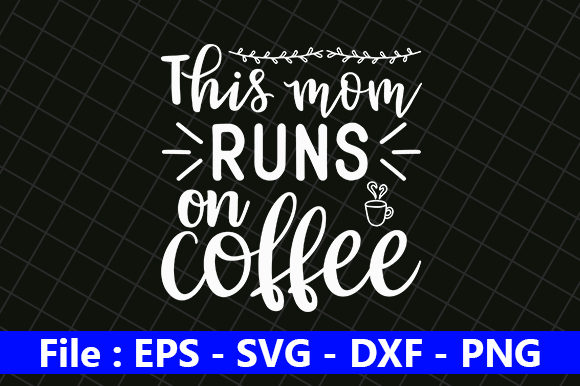
This Mom Runs on Coffee Review: A Designer’s Perspective
As a seasoned embroidery designer and product reviewer, I always approach new designs with a critical eye—especially when they’re intended for real-world applications. “This Mom Runs on Coffee” caught my attention not just because of its relatable sentiment, but also due to the practical considerations it raises for use in custom projects. Let’s break down how this Homeschool Mom Quote Design works in actual embroidery scenarios.
A Mood That Resonates: First Impressions Matter
At first glance, “This Mom Runs on Coffee” is a lighthearted yet heartfelt design that immediately evokes a sense of humor and shared experience. It's perfect for someone who wants to create personalized gifts or add charm to everyday items like tea towels or sweatshirts. The layout feels balanced, with the coffee cup icon complementing the text without overwhelming it. This visual harmony is key when selecting a design that will be stitched onto various surfaces and materials.
The detail level is moderate—enough to convey character without becoming overly complex. As a rule, intricate details can sometimes cause issues with stitch density or clarity, especially if you're working with limited space. But here, the simplicity of the phrase paired with the stylized cup gives the design a strong personality while remaining versatile.
Custom Apparel & Tote Bags
One of the most natural fits for this design is a sweatshirt embroidery or tote bag design. The quote plays well on larger surfaces where it can breathe and retain readability. For tote bags, using a satiny thread color contrast against cotton canvas fabric makes the design pop visually. On a hoodie or sweatshirt, it could work beautifully as a front pocket applique or a chest patch with some fill stitch detailing around the cup.
Baby Clothes & Nursery Decor
If you're considering this for baby embroidery, tread carefully. While the sentiment is warm, the design might feel too adult for infant apparel unless simplified. However, it could make an excellent addition to a handmade nursery wall hanging or embroidered pillow cover. In such cases, using a soft pastel palette would help blend the design into the room more subtly.
Patches, Hats, and Holiday Projects
Embroidered patches are another great option. The flat, non-detailed nature of the design allows it to sit nicely on denim, felt, or even leather. Just be sure to review hoop size requirements before cutting out your backing material. For caps or hats, the design may need resizing and adjusting for curvature, which is something every experienced embroiderer knows to plan for ahead of time.
When thinking about holiday gifts or seasonal products, this design has year-round appeal but could be adapted with festive elements—like adding snowflakes or balloons depending on the occasion. Its adaptability is one of its strengths, provided you’re mindful of scaling and placement.
Small Hoop Sizes and Stretchy Fabrics
While the design looks good on large items, it may lose clarity if shrunk too much for smaller hoop sizes. The coffee cup’s shape and the lettering require enough space to maintain their integrity. If you must reduce the size, test it thoroughly on scrap fabric to ensure the stitch density remains consistent and doesn’t distort the text or graphics.
On stretchy fabrics like spandex blends or knits, the design could suffer from puckering if the stabilizer isn't applied correctly. Always recommend using a cutaway or tear-away stabilizer depending on the fabric weight and elasticity. This step is crucial for maintaining the design’s crisp appearance after washing and wearing.
Dark Fabric and Thin Materials
Thread colors included in the digital embroidery file (SVG, EPS, DXF, PNG) are likely standard ones, so it's important to test them on dark backgrounds. Sometimes, white or light-colored threads don’t show up as well as expected, and you may need to adjust the palette for better visibility. Similarly, stitching on thin materials like silk or rayon requires careful planning to avoid transparency issues or distortion from dense stitching.
Curved Surfaces and Textured Fabrics
Embroidering on curved surfaces like baseball caps or beanies is possible, but it demands extra care. The shape of the design should be adjusted to fit the contour properly, and the running stitch areas may need tweaking to prevent gaps or tight pulls. Also, on textured fabrics like canvas or flannel, the design might appear less refined unless you compensate with stitch type and thread tension during testing.
Visual Appeal and Stitching Clarity
“This Mom Runs on Coffee” brings a smile to both the creator and the end user. Its charm lies in the balance between message and imagery. When stitched cleanly, it adds value to any handmade product by instantly connecting with moms who relate to the sentiment. This kind of emotional resonance is what drives buyer engagement and repeat purchases, especially for Etsy sellers and craft business owners looking to stand out in a crowded market.
However, stitching clarity depends heavily on the machine and settings used. Dense stitch areas around the cup’s outline or inside the letters could pose challenges if the machine struggles with high stitch counts. Always inspect small details, such as the steam lines or tiny dots, to ensure they translate well in the final finished product.
Practical Tips for Use
- Test on scrap fabric first: Especially if you’re planning to use it on delicate or unusual materials.
- Review thread color contrast: Make sure the colors stand out on your chosen background.
- Check stitch density: Adjust fill stitches if needed to prevent over-stitching or puckering.
- Confirm hoop size: Don’t assume; always verify the recommended hoop dimensions for best results.
- Inspect small details: Look at the inner parts of letters and the cup design under magnification to ensure no tiny features are lost.
- Use proper stabilizer: Whether tear-away, cutaway, or wash-away, choose the right one for the fabric and project.
- Test in black and white mockups: See how the design holds up without color distractions.
- Compare light and dark fabric backgrounds: You might want to offer multiple versions of the same item.
- Verify licensing before selling: If you're an Etsy seller or digital product provider, double-check whether you can resell finished items or digital assets.
Project Suitability and Brand Consistency
For commercial embroidery purposes, this design is solid as long as you stay within the boundaries of its structure. It can easily become part of a curated line of design assets for a boutique or small shop. The friendly, humorous tone aligns well with lifestyle brands targeting parents, especially those in the homeschooling community.
Its visual style supports brand consistency if you already have a collection of similar quote-based designs. The clean font and recognizable coffee cup motif make it easy to pair with other elements in a cohesive theme. That said, it doesn’t scream luxury or ultra-minimalism, so consider the overall aesthetic of your craft business before incorporating it into premium or high-end offerings.
Customer Trust and Giftability
When creating personalized gifts or holiday embroidery items, trust and perceived quality are everything. “This Mom Runs on Coffee” earns points for being clearly labeled as a machine embroidery design, which means buyers know exactly what they're getting. There’s no vague promise of compatibility across all machines or fabrics—just the essentials.
Still, for maximum giftability, you’ll want to ensure the design reads well from a distance. A coffee-themed baby blanket or apron might look adorable, but readability matters when it comes to quotes. Consider bold fonts or increasing the scale slightly for optimal legibility.
Final Thoughts from the Design Bench
Overall, “This Mom Runs on Coffee” is a thoughtful and usable design for a wide range of embroidery projects. It’s not flashy, but it’s authentic—something that stands out in a sea of generic clip art. As a professional, I appreciate that it invites creativity rather than dictating it. You can adapt it to many contexts, from casual tote bags to printable mockups for digital product previews.
But remember, the devil is in the details. Before committing to production runs or listing it in your small shop product catalog, take the time to test stitch behavior, check thread visibility, and confirm compatibility with your tools and materials. These steps will save you time, materials, and customer complaints in the long run.
For hobbyists and creative entrepreneurs, this is a fun and functional addition to your design library. Just keep in mind where it shines and where it needs careful handling. With the right preparation, it can elevate your next custom apparel order or become a hit at your next craft fair booth.