Hair Stylist Please Administer Coffee: A Designer’s Real-World Review
As an embroidery designer with years of experience creating custom designs for a variety of projects, I’m always evaluating new digital embroidery files to see how they perform in real-world applications. One design that caught my eye recently is Hair Stylist Please Administer Coffee. It's a craft file featuring a humorous and relatable quote tailored for paper crafting but easily adaptable into machine embroidery. Let me walk you through what it looks like, how it behaves on different materials, and where it shines—or where it might fall short.
First Impressions: Mood and Visual Personality
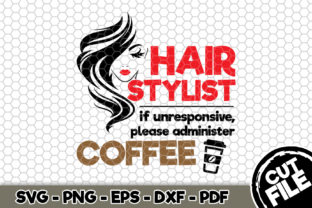
The phrase “Hair Stylist, If Unresponsive, Please Administer Coffee” has a lighthearted yet professional tone. The design uses a stylized font that feels both modern and approachable, making it ideal for creative entrepreneurs who want to add personality without being too whimsical. The layout is clean, with the text arranged in a single line or a small block depending on the version, allowing for flexibility in placement.
I appreciate the subtle humor in this design—it speaks directly to those who work in fast-paced environments like salons or spas, while also resonating with coffee lovers everywhere. The visual personality is friendly and bold enough to stand out, but not so loud that it clashes with other elements in a project. This balance makes it a great candidate for a range of handmade products and commercial items alike.
Real-Life Use Scenarios
Let’s say you're preparing a custom embroidered tote bag for your salon staff. You want something fun and functional that reflects their daily grind—and caffeine needs. Hair Stylist Please Administer Coffee could be a perfect fit here. Its straightforward message and readable lettering make it easy to stitch onto a cotton canvas tote using satin stitch for the text and fill stitch for any background elements if included.
This design also works well for sweatshirts and t-shirts, especially when paired with minimalist layouts. For instance, placing the text across the back in a curved alignment can give it a casual, wearable feel. In baby clothes or nursery decor, however, the subject matter may not align unless you’re going for a quirky adult-themed piece—so use caution there.
For embroidered patches, the design adapts nicely. The key is to ensure the text remains legible at smaller scales. If the original graphic includes intricate details, you’ll need to simplify them before digitizing. That said, the core message is strong and doesn’t rely heavily on visuals, which is a plus for patch embroidery.
What About Commercial Projects?
If you're an Etsy seller or run a small shop product line, this design can help build brand recognition. It’s memorable and fits well into lifestyle branding for hair salons, barbershops, or even café collaborations. The ability to import the file into programs like Cricut Explore and Silhouette means you can create printable mockups and digital previews quickly, enhancing your online listings with consistent design assets.
However, since it's categorized under Crafts and Graphics, and not as a dedicated machine embroidery file, it’s essential to verify compatibility with your specific embroidery software. Some vector-based designs may require conversion or adjustment before they're ready for stitching.
Where to Use With Caution
- Small hoop sizes: The text is fairly large, so using it in anything less than a 4x4 inch hoop may result in cramped or unclear lettering.
- Textured fabrics: On denim, felt, or flannel, the fine lines of the text may lose definition. Consider adjusting stitch density or opting for a bolder font style.
- Thin or stretchy fabric: Without proper stabilizer, the design might pucker or distort, especially around detailed areas or corners.
- Dark fabric backgrounds: Thread color contrast becomes crucial here. White or light-colored thread will pop best, but some colors may fade over time with frequent washing.
- Curved surfaces (like caps or hats): The flat layout may not wrap well without manual adjustments. Test it on a scrap cap first to see how the text flows.
Design Impact on Product Value and Customer Engagement
When used correctly, Hair Stylist Please Administer Coffee can elevate the perceived value of a handmade product. It adds a touch of wit and professionalism, which is especially appealing for custom apparel or branded gifts. Customers love designs that speak to their experiences—this one hits a sweet spot for anyone in the beauty industry or someone who relies on their morning brew.
In terms of giftability, this design is a hit for holiday gifts, birthday presents, or even as a cheeky wedding gift for couples who love coffee and hair styling. It’s a conversation starter, and that kind of engagement is gold for creative entrepreneurs looking to build loyal customer bases.
Handmade Presentation and Brand Consistency
One thing I look for in a design is how it contributes to the overall presentation of a finished product. This one does well when placed thoughtfully on a garment or accessory. It doesn't overwhelm the design space, but it still makes an impression. When building a cohesive line of small shop products, this design can blend well with other themed items, reinforcing your brand’s voice and identity.
But remember: consistency matters. If you're using this as part of a larger collection of embroidery project designs, make sure the font style and visual elements match the rest of your lineup. Otherwise, it might feel disjointed in your portfolio or digital product previews.
Practical Embroidery Design Notes
- Test on scrap fabric first: Before committing to a full batch, try stitching the design on a sample of the same material and tension settings.
- Check thread color contrast: Especially important on dark or busy backgrounds. Opt for high-contrast thread colors to maintain visibility.
- Review stitch density: Dense stitch areas may cause puckering or fabric distortion. Adjust as needed based on your fabric type.
- Confirm hoop size: Ensure the design fits comfortably within your intended hoop dimensions to avoid stretching or misalignment.
- Inspect small details: If the design includes icons or graphics, zoom in to check for clarity and whether they’ll hold up after multiple washes.
- Test black and white mockups: This helps determine if the design will read clearly in grayscale, useful for monochrome thread palettes or preview images.
- Compare light and dark fabric backgrounds: See how the design performs visually and technically on contrasting materials.
- Use proper stabilizer: Especially for stretchy or thin fabrics. Cutaway or tear-away stabilizers can prevent distortion and improve stitch quality.
- Verify licensing: Always confirm whether the design allows for commercial use before selling embroidered patches or apparel decorations. Licensing terms are critical for protecting your business.
Final Thoughts for Designers and Sellers
Hair Stylist Please Administer Coffee is more than just a clever phrase—it’s a versatile design element that can bring character to your embroidery project. Whether you're creating a personalized gift or scaling up for a boutique line, this design offers a good foundation when adjusted properly. It's not overly complex, which makes it accessible for hobbyists, but it still has enough charm to appeal to more advanced creators.
Still, don’t overlook the importance of testing and adapting the design to suit your materials and tools. Every machine embroidery design behaves differently depending on the context, and this one is no exception. By taking a few extra steps—like checking stitch count compatibility or experimenting with thread colors—you can ensure it delivers the visual impact and durability your customers expect.
If you're considering adding this to your craft business offerings or using it in a commercial embroidery project, I recommend starting with a small run and gathering feedback. It’s a smart way to gauge customer reactions and refine your process before going all-in.
Ultimately, Hair Stylist Please Administer Coffee is a solid choice for designers who want to infuse personality into their work without compromising on readability or stitch performance. Just make sure to tailor it to your specific needs and audience—because in the world of handmade goods, attention to detail is what sets apart the good from the great.