I Love a Lifesaver: A Designer’s Review for Embroidery Projects
As an embroidery designer who spends more time troubleshooting stitch density than actually drinking coffee, I approach every new digital asset with a mix of hope and skepticism. We have all been there: you find a cute graphic online, download it, and immediately wonder if it will translate well from a screen to fabric. Today, I am evaluating I Love a Lifesaver, a design that falls under the Crafts and Graphics categories but is specifically marketed as a craft file compatible with cutting machines like Cricut Explore and Silhouette. However, the real question for us in the embroidery world is not just how it cuts, but how it stitches.
This review focuses on the practical application of this design for real-world projects. Whether you are an Etsy seller looking to expand your paramedic-themed inventory, a hobbyist making a gift for a nurse or EMT, or a small business owner branding your boutique, understanding the visual weight and structural integrity of a design is crucial. Here is my honest take on using I Love a Lifesaver in your next embroidery project.
First Impressions: Mood and Visual Personality
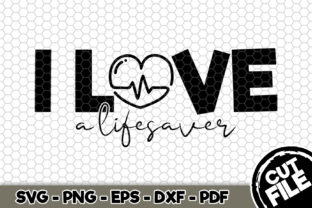
The moment you open the file, the theme is unmistakable. The phrase "I Love a Lifesaver" paired with the iconic imagery creates an immediate emotional connection. It is playful, supportive, and deeply relevant to healthcare professionals. For designers, the mood is key because it dictates the target audience. This isn’t a minimalist, corporate design; it is warm, personal, and celebratory.
Visually, the layout suggests a strong central focus. In embroidery, where detail can get lost in thread texture, a clear focal point is essential. The design likely leverages bold shapes that mimic the classic lifesaver candy or the medical life ring, depending on the specific vector art style. From a designer’s perspective, this kind of high-recognition iconography works exceptionally well because customers instantly understand the message without needing to read fine print. It bridges the gap between a simple quote and a symbolic emblem, making it versatile for various applications.
Real-World Application: Where Does This Design Shine?
Let’s talk about actual products. If I were building a collection for a local hospital appreciation week or creating best-sellers for an Etsy seller shop, here is where I Love a Lifesaver would perform best:
- Custom Apparel and Sweatshirts: There is something inherently cozy about a sweatshirt embroidered with a heartfelt message. This design would look fantastic centered on the chest of a crewneck sweatshirt, particularly in navy blue or heather gray. The contrast allows the thread colors to pop, creating a professional finished product that feels both casual and polished.
- Tote Bag Designs: Canvas tote bags are a staple for craft fairs and boutique branding. Using this as a tote bag design adds a layer of personality to a functional item. It appeals to nurses, paramedics, and anyone who appreciates the humor and heart behind the profession. The durability of canvas pairs well with standard machine embroidery design techniques, allowing for sturdy stitching that withstands daily use.
- Personalized Gifts and Baby Items: While primarily aimed at adults, the "lifesaver" motif can be adapted for baby showers or newborn gifts for families in healthcare. Imagine a soft onesie or a nursery wall hanging. The design’s simplicity makes it suitable for baby embroidery, where delicate fabrics require lighter touch settings and simpler stitch patterns to avoid puckering.
- Embroidered Patches: If the file includes clean edges, it can easily be digitized into an embroidered patch. These are highly sought after for jackets, backpacks, and caps. A patch version of I Love a Lifesaver offers a tactile, premium feel that customers love to display.
Technical Considerations and Potential Pitfalls
No design is perfect, and knowing where a design might struggle is just as important as knowing where it shines. As a reviewer, I must highlight areas where caution is needed when working with this file.
Hoop Size and Detail Level: One of the biggest challenges in embroidery is scaling. If I Love a Lifesaver contains intricate lettering or tiny decorative accents, it may become illegible when reduced to fit a smaller hoop size. Always inspect small details before committing to a production run. If the text is too thin, it may break during stitching or lose definition. I recommend testing the design in your largest available hoop first to ensure all elements remain distinct.
Fabric Texture and Stability: The performance of any embroidery file is heavily dependent on the substrate. Textured fabrics, such as heavy denim or waffle-knit sweatshirts, can distort the shape of the design. Similarly, stretchy fabrics like jersey knits require robust stabilization to prevent shifting. Without proper stabilizer support, even the best design can look sloppy. For dark fabrics, ensure that the thread colors chosen provide enough contrast against the background material.
Stitch Density and Fabric Type: High-density areas can cause fabric distortion, especially on lightweight materials. If the design uses heavy fill stitch sections, it might pucker thin fabrics. Conversely, if it relies too much on sparse running stitch, it might look unfinished on textured surfaces. Review the stitch density in your software to balance coverage and fabric integrity.
Designer’s Checklist for Success
Before you upload I Love a Lifesaver to your machine and start stitching, follow these practical steps to ensure a professional result:
- Test on Scrap Fabric: Never skip this step. Use a scrap piece of the exact fabric you plan to use for the final product. This reveals how the thread colors interact with the material and how the tension holds up.
- Check Black and White Mockups: View the design in grayscale to assess contrast. Sometimes vibrant colors mask poor contrast issues that become obvious in black and white.
- Confirm Licensing: Since this is a digital asset, verify the license terms. Ensure you are permitted to sell finished items created with this design, especially if you are a commercial embroidery business or selling on platforms like Etsy.
- Optimize Thread Choices: Select threads that complement the mood. Metallic threads can add a premium touch for gifts, while standard polyester threads offer durability for everyday wear.
- Inspect Curved Surfaces: If applying to a cap or curved garment, remember that flat designs may warp. You may need to adjust the hooping technique or use a specialized cap frame to maintain the design’s integrity.
Final Verdict: Value and Professional Appeal
Ultimately, I Love a Lifesaver is a strong candidate for designers looking to tap into the healthcare gifting market. Its clear message and recognizable imagery make it an excellent choice for personalized gifts and craft business merchandise. It has the potential to boost customer trust and engagement because it resonates emotionally with buyers.
However, success depends on execution. By paying attention to hoop size, stabilizer selection, and fabric texture, you can transform this digital graphic into a high-quality handmade product. Whether you are creating a single custom apron or a batch of sweatshirt embroidery for a local fire station, this design offers a solid foundation for creative expression. Just remember to test thoroughly, respect the limitations of your equipment, and always prioritize the finish quality that your customers expect.
For those interested in expanding their design assets, this file serves as a reminder that versatility is key. Even if originally intended for cutting machines, its adaptability to embroidery opens up new revenue streams for small shop owners and creative entrepreneurs. With careful planning and a keen eye for detail, I Love a Lifesaver can indeed save the day for your next project.