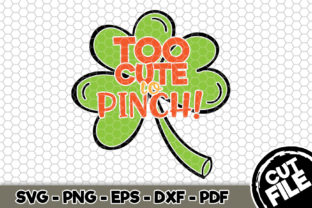
Too Cute to Pinch: A Designer’s Review for St. Patrick’s Day Embroidery
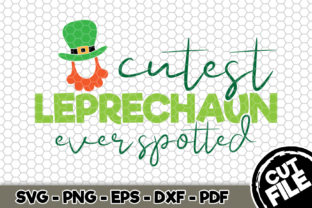
As an embroidery designer who has spent years turning digital files into tangible, stitched realities, I know that not every graphic translates well to thread. There is a distinct difference between a design that looks good on a screen and one that holds up under the tension of a hoop, the friction of a needle, and the daily wear of a finished product. This week, I put Too Cute to Pinch through its paces. Marketed as a Craft File featuring a Little Leprechaun with a playful St. Patrick’s Day quote, this Graphics asset promises charm, but does it deliver professional-grade results for your craft business or personal projects?
First Impressions: Mood and Visual Personality
The immediate appeal of Too Cute to Pinch lies in its whimsical character. The Little Leprechaun motif taps into the festive, lighthearted spirit of St. Patrick’s Day without veering into cliché territory. For designers looking to add a touch of humor and warmth to their collections, this design strikes a balance between traditional holiday iconography and modern, approachable aesthetics. The layout feels balanced, suggesting that the text and the character work together rather than competing for attention.
From a visual standpoint, the design exudes a cozy, handmade vibe. It is not overly intricate or aggressive; instead, it invites interaction. This makes it particularly effective for products meant to be hugged, worn, or gifted. Whether you are creating a boutique item for a local market or a digital listing for Etsy sellers, the "cute" factor is a proven driver of engagement. However, cuteness alone does not guarantee a successful stitch-out. We need to look at how these elements behave when converted into a machine embroidery design.
Real-World Application: Where Does This Design Shine?
In my testing scenario, I envisioned Too Cute to Pinch being applied to a variety of substrates. The most natural fit? A custom embroidered tote bag design. The sturdy canvas of a tote provides a stable surface that can handle the weight of the design without puckering. Imagine a shopper carrying a reusable bag featuring this cheerful leprechaun—it becomes a walking advertisement for your brand, sparking conversation and joy.
Beyond totes, this design is highly versatile for apparel decorators working on sweatshirt embroidery. The soft fleece or cotton blends often used in hoodies provide a plush background that enhances the texture of satin stitches and fill stitches. It also works beautifully for baby embroidery projects. A onesie or a nursery blanket featuring this gentle motif adds a layer of tenderness that parents appreciate. For small shop owners, this versatility means you can create a cohesive collection—matching aprons, kitchen towels, and pillow covers—all tied together by the same charming theme.
Furthermore, Too Cute to Pinch is ideal for holiday embroidery gifts. Personalized gifts carry emotional weight, and a design that conveys warmth and humor often resonates more deeply than generic patterns. If you are preparing inventory for a craft fair, having a design that appeals to both children and adults broadens your customer base significantly.
Technical Considerations and Potential Pitfalls
While the artistic merit is clear, practical execution requires caution. Not all fabric textures play nicely with every design element. When using Too Cute to Pinch, avoid applying it to thin or stretchy fabrics without proper support. Stretchy knits can distort the shape of the leprechaun, causing the text to wobble or the character to lose its definition. Similarly, textured fabrics like heavy tweed or bouclé may hide the finer details of the running stitch or the edges of the applique design.
Small hoop sizes present another challenge. If you attempt to digitize or embroider this design in a very small area, the lettering might become too dense to read clearly. Satin stitches around the edges of the character could merge if the resolution is too low. I strongly advise checking the stitch density before committing to a final production run. Dense areas can lead to needle breakage or bulky seams, which detracts from the professionalism of the finished product.
Dark fabrics require careful thread color selection. While the contrast might be striking, ensure that the lighter threads used for highlights do not get lost in the weave. Conversely, light fabrics may show every imperfection in the stabilizer placement. Always test on scrap fabric first to gauge how the colors interact with your specific material choice.
Designer Notes for Optimal Results
- Stabilizer Selection: Use a high-quality cut-away stabilizer for woven items like tote bags and aprons to prevent distortion over time. For knitwear like sweatshirts, a tear-away or wash-away stabilizer might suffice depending on the fabric weight.
- Thread Contrast: Experiment with thread colors to ensure the quote pops against the background. Metallic threads can add a festive flair, but ensure they do not clash with the leprechaun’s traditional green attire.
- Mockup Testing: Before stitching, view the design in black and white mockups. This helps assess the balance of light and dark areas, ensuring no critical details disappear.
- Licensing Check: As a commercial embroidery designer, always confirm licensing terms. Ensure you have the right to sell finished items created with this file, especially if you are using it for digital product previews or printable mockups.
Impact on Brand and Customer Trust
Quality consistency builds brand trust. When customers receive a personalized gift or a custom apparel item where the design is crisp, centered, and free of loose threads, they perceive higher value. Too Cute to Pinch, when executed correctly, elevates the perceived quality of your handmade product. It signals attention to detail and care in creation.
For Etsy sellers and craft business owners, this design offers strong recognition potential. Holiday-themed items are seasonal bestsellers, but unique designs stand out in crowded marketplaces. By offering a polished version of this popular motif, you differentiate yourself from competitors who may use lower-quality, mass-produced graphics.
Final Verdict
Too Cute to Pinch is a solid addition to any embroidery designer’s library for seasonal projects. Its charm is undeniable, and its versatility across various products—from embroidered patches to tea towels—is impressive. However, success depends on technical preparation. Respect the limits of your hoop size, choose appropriate stabilizers, and test thoroughly on your target fabrics.
If you are ready to bring some festive cheer to your next batch of creations, this design is worth the investment. Just remember: the magic happens in the details. Take the time to perfect your setup, and let the little leprechaun do the rest. Happy stitching!