Twinkle Twinkle Little Star Embroidery Review
When I open a new digital asset for my studio, I am rarely looking at just a shape or a phrase. I am looking at potential. I am visualizing the needle movement, the thread tension, and ultimately, how that finished piece will sit on a customer’s chest or hang in their nursery. Today, I am putting Twinkle Twinkle Little Star through its paces. This is not just a cute quote; it is a design asset that claims to bridge the gap between simple typography and decorative iconography. As an experienced designer who regularly produces commercial embroidery files for small businesses and boutique brands, I need to know if this design holds up under scrutiny.
The First Impression: Mood and Visual Personality
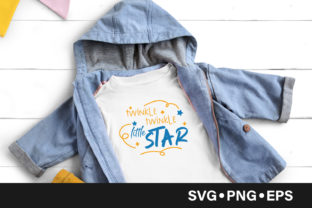
From the moment you preview the vector layout of Twinkle Twinkle Little Star, the intent is clear. It leans heavily into nostalgia and comfort. The combination of the classic children’s quote with a star motif creates an immediate emotional connection. For designers targeting the baby market, nursery decor, or holiday gifts, this mood is invaluable. It feels soft, approachable, and timeless.
However, a pretty preview does not always translate to a clean stitch-out. My initial concern lies in the balance between text and graphic. If the star elements are too intricate or the lettering is too condensed, we risk a muddy result when stitched. But looking closer at the structure, there is a sense of breathing room. The design appears to prioritize legibility, which is crucial for embroidery. Unlike printing, where fine details can remain sharp, embroidery relies on negative space and distinct shapes. Twinkle Twinkle Little Star seems designed with this limitation in mind, offering a layout that suggests clarity rather than clutter.
Real-World Application: Where Does This Design Shine?
I often test designs by imagining specific product scenarios. For Twinkle Twinkle Little Star, several use cases stand out as particularly strong candidates for a craft business or handmade shop.
- Baby Apparel and Blankets: This is the most obvious fit. A sweatshirt embroidery featuring this design on a onesie or a minky blanket is a staple in any boutique. The theme aligns perfectly with the "sweet" aesthetic that parents seek for newborns and toddlers.
- Personalized Gifts: Whether it is a christening gift, a baby shower present, or a birthday keepsake, the customizable nature of the quote allows for personalization. Adding a name above or below the star transforms this from a generic graphic into a cherished memory.
- Nursery Decor: Framed embroidered pieces are huge right now. This design would work beautifully on a wooden hoop or a stretched canvas pillow cover. The simplicity of the star motif ensures it looks professional even without complex background fills.
- Holiday and Seasonal Merchandise: While not strictly Christmas-themed, the star imagery fits well within winter and holiday collections. It pairs well with other festive motifs for craft fair booths or Etsy listings.
In these contexts, the design elevates the perceived value of the handmade product. A plain cotton tote bag becomes a premium item when adorned with a well-executed machine embroidery design like this one. It signals quality to the buyer.
Technical Considerations and Stitch Behavior
This is where the rubber meets the road. As a reviewer, I must address how Twinkle Twinkle Little Star behaves technically. Without seeing the exact stitch map, we must rely on general principles of digitizing for this type of content.
Stitch Density and Clarity: Text-based embroidery requires careful attention to stitch density. If the fill stitch behind the letters is too dense, the fabric may pucker. Conversely, if it is too sparse, the backing material might show through. For a design like this, a lighter touch is usually preferred to maintain the softness of the garment. Similarly, the star shapes need to be defined clearly. If they rely on tiny running stitches for detail, they may disappear on textured fabrics.
Fabric Compatibility: This design is versatile but has limitations. It performs best on stable fabrics like cotton, linen, or light denim. However, caution is required when working with stretchy knits or highly textured materials like sherpa. On a sweatshirt embroidery project, the design should be stabilized properly to prevent shifting. On a tote bag design made of thick canvas, ensure the needle length is sufficient to penetrate the fabric without breaking threads.
Color Contrast: The visual appeal of this design is heavily dependent on thread selection. A white star on a dark navy background will pop, while a pastel yellow star on a cream shirt may lack definition. I recommend testing various thread colors against your target fabric before committing to production. Using a black-and-white mockup during the planning phase can help verify that the contrast levels are adequate for stitching.
Where to Exercise Caution
No design is perfect for every application. There are specific scenarios where Twinkle Twinkle Little Star might struggle:
- Small Hoop Sizes: If you are trying to squeeze this design into a 4x4 inch hoop, the text may become too small to read comfortably once stitched. Embroidery reduces the effective size of fine details due to thread thickness.
- Curved Surfaces: Attempting to embroider this on a cap or hat requires significant skill. The flat layout of the digital file may distort when pulled onto a curved surface, potentially warping the star shapes or misaligning the text.
- Thin or Delicate Fabrics: On silk or thin polyester, the stabilizer used to support the stitching may leave visible marks or cause puckering after washing. Always test on scrap fabric first.
- Complex Backgrounds: If the design includes intricate applique or heavy fill stitches, it may look bulky on lightweight garments. Keep the final product comfortable and wearable.
Practical Notes for the Designer
Before adding Twinkle Twinkle Little Star to your commercial inventory, consider these practical steps to ensure success:
- Test Stitch-Outs: Never skip the test run. Stitch the design on the actual fabric you plan to sell. Check for thread breaks, tension issues, and alignment.
- Review File Formats: Ensure you have the correct formats for your machine. The inclusion of SVG and PNG is great for cutting or mockups, but verify the compatibility of the embroidery-specific files (like PES, DST, or EXP) with your equipment.
- Check Licensing: If you intend to sell finished items, confirm the commercial usage rights. Some digital assets allow personal use only, which can lead to legal issues for Etsy sellers and small shop products.
- Stabilizer Selection: Use the appropriate stabilizer for your fabric type. Cut-away stabilizers are generally better for longevity, especially for items that will be washed frequently, such as baby clothes.
- Mockup Presentation: When creating printable mockups for your online store, choose backgrounds that complement the design. Neutral tones often allow the embroidery details to stand out more effectively.
Final Verdict
Twinkle Twinkle Little Star is a solid, reliable choice for designers looking to tap into the baby and nursery markets. It offers a balance of sentiment and simplicity that resonates with buyers. While it requires standard precautions regarding fabric choice and stabilization, its versatility makes it a valuable addition to any embroidery project library. For craft business owners, it represents a low-risk, high-reward asset that can be easily integrated into existing product lines. Just remember: the magic happens in the execution. Test thoroughly, choose your threads wisely, and let the quality of your stitching speak for itself.