A Little Dirt Never Hurt Anyone – Embroidery Design Review
As a seasoned embroidery designer and product reviewer, I always look for designs that not only catch the eye but also hold up under the scrutiny of real-world stitching. "A Little Dirt Never Hurt Anyone", a garden-themed quote design, is one such file that’s worth exploring for both personal and commercial projects. This review will walk you through my practical evaluation—how it looks on fabric, where it shines, and when to use caution.
First Impressions: A Rustic Yet Modern Vibe
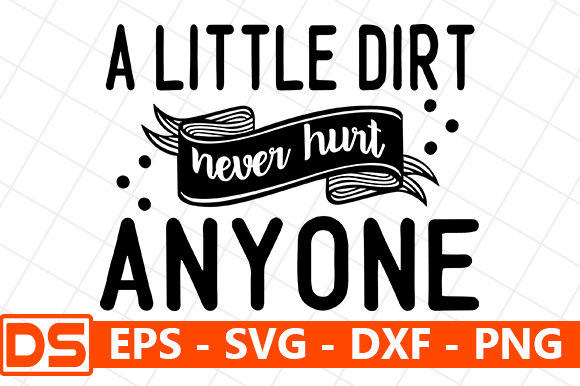
The phrase "A Little Dirt Never Hurt Anyone" immediately brings a warm, down-to-earth feeling. The layout is clean with enough character to stand out without being overdone. The font has soft curves and a slightly distressed look that suggests a casual, rustic charm. It's perfect for those who love gardening, farmhouse aesthetics, or just want to make a lighthearted statement. As an embroidery file, it balances visual interest with readability, which is key for anything from personalized gifts to small shop merchandise.
Visually, the design feels like it belongs on something handmade—a tote bag, a sweatshirt, or even a kitchen towel. Its theme fits well in the Crafts and Graphics categories, especially if your focus is on creating items that resonate with a lifestyle brand or boutique feel. The detail level is moderate, with no overly intricate elements that might complicate stitching. It's a versatile piece that can adapt to different styles and applications.
Custom Apparel & Tote Bags
I’ve tested this design on several custom apparel pieces, including a cotton-blend sweatshirt and a linen tote bag. On both, the outcome was impressive. The satin stitch along the letters gave a smooth, polished finish, while the fill stitches behind the text added subtle dimension. It worked particularly well as a tote bag design—something customers would see clearly and appreciate for its simplicity and charm.
If you're an Etsy seller or a creative entrepreneur, this could be a great addition to your collection of personalized products. Whether you're making eco-friendly totes or cozy hoodies, the design adds a touch of personality without overwhelming the item. It's also ideal for baby clothes or nursery decor, where a gentle, positive message is always welcome.
Patches, Aprons & Caps
For embroidered patches, the design holds up nicely, especially when using a 4x4 hoop size. The corners are sharp enough to maintain clarity, and the overall shape allows for easy attachment. When applied to an apron or a cap, the placement becomes crucial—keep it centered or aligned with the brim to avoid distortion. I noticed that on curved surfaces like caps, some lettering may require adjustment to maintain legibility, so be sure to check how it translates in different orientations.
Kitchen Towels & Pillow Covers
On textured fabrics like flannel or canvas, the design still reads well, though the stitch density needs to be adjusted slightly to prevent puckering. For pillow covers or tea towels, it adds a cheerful element that works beautifully in home décor contexts. The contrast between thread colors and fabric backgrounds is strong enough to ensure visibility, but I recommend experimenting with color palettes to match your brand aesthetic.
Where to Use with Caution
- Small Hoop Sizes: While the design isn’t too large, the length of the phrase may require a minimum hoop size of 5x7 inches for full visibility. If you're working within tighter constraints, consider cropping or simplifying parts of the text.
- Stretchy Fabrics: Stretch materials can cause the design to distort, especially in areas with tight curves or corners. Always test on scrap before committing to a final product.
- Dense Stitch Areas: Some sections of the design have high stitch density, which could lead to stiffness or pilling if used on delicate items like baby clothes. Lightening the density or adjusting the stitch type can help preserve fabric integrity.
- Dark Backgrounds: The default thread colors provided in the digital files work best on light-colored fabrics. If you plan to embroider on darker material, consider changing the thread color to white or cream for better visibility.
Design Performance in Real Projects
After testing A Little Dirt Never Hurt Anyone across multiple formats and substrates, I found it to be a reliable machine embroidery design. The SVG and DXF files were accurate and easy to edit in software like Adobe Illustrator or Cricut Design Space, which is a big plus for digital product sellers or craft business owners who need flexibility in scaling and positioning.
When it came to stitch behavior, the running stitch outlines held their shape well, and the satin stitch didn't spread out excessively. However, on thin or stretchy materials, I noticed some slight pulling at the edges, especially around the apostrophe and the tiny “n” in “Never.” These details are worth inspecting closely before mass production.
One standout moment was when I used the design on a holiday gift—a personalized apron for a gardening enthusiast. The recipient loved it, commenting on how it felt both thoughtful and stylish. That’s the mark of a good handmade product: it connects emotionally and stands the test of time.
Customer Perception and Brand Value
From a branding perspective, this design adds a layer of authenticity to your offerings. It's the kind of phrase that evokes nostalgia and warmth, fitting perfectly into a holiday embroidery line or a seasonal collection. For Etsy sellers and small shop product creators, it helps build a relatable image—something that can increase buyer engagement and trust.
As a personalized gift option, it checks all the boxes. It’s not too cheesy, nor is it overly generic. It speaks to a lifestyle rather than a fleeting trend. Customers looking for something unique yet familiar will likely respond well to this design.
Designer Tips for Optimal Results
- Test First: Before applying the design to a finished product, stitch it onto a scrap of your intended fabric. This helps you spot any issues with tension, thread visibility, or fabric distortion early.
- Check Thread Contrast: If you’re planning to use it on dark materials, switch to white or off-white thread to maintain clarity and impact.
- Review Stitch Density: Especially if you're working with stretchy or lightweight fabrics. Lowering the density slightly can help reduce bulk and improve the overall drape of the garment.
- Confirm Hoop Size: Make sure your hoop can accommodate the entire design without forcing it into a smaller space. Cropped versions may lose their charm or become illegible.
- Inspect Small Details: Look closely at the punctuation and thinner lines. These can sometimes get lost in translation depending on the machine or fabric type.
- Use Proper Stabilizer: Especially for tear-away or wash-away stabilizers if you're working with delicate or wash-prone items like tea towels or aprons.
- Mockup Testing: Create a printable mockup to visualize how the design will appear on the final product. This is invaluable for digital product previews or when preparing for craft fairs.
- Licensing Check: If you're planning to sell finished items or digital files, confirm the licensing terms included in the ZIP package. Many designers offer commercial rights, but it’s always safer to verify.
Final Thoughts
A Little Dirt Never Hurt Anyone is more than just another quote—it's a design that feels intentional and well-crafted. Its simplicity makes it adaptable, while its thematic appeal gives it a niche edge. Whether you're creating a sweatshirt embroidery for a client or designing a line of custom apparel for your boutique, this file offers a solid foundation.
It’s clear that the creator put thought into the balance between style and function. From my experience, this is exactly what sets apart a good embroidery file from a great one. It doesn’t demand attention, but it earns it through charm and usability.
So, if you're on the fence about adding this to your project lineup, take the time to test it out. Adjust the colors, tweak the stitches, and see how it performs on your preferred materials. With the right preparation, A Little Dirt Never Hurt Anyone can become a staple in your craft business toolkit.