No Outfit is Complete Without Cat Hair
As an experienced embroidery designer and product reviewer, I’ve evaluated countless machine embroidery designs over the years. Some are flashy, some are functional, and a few truly resonate with the personality of the final product. No Outfit is Complete Without Cat Hair falls into that last category — it’s not just a design; it’s a statement.
First Impressions: A Quirky, Whimsical Vibe
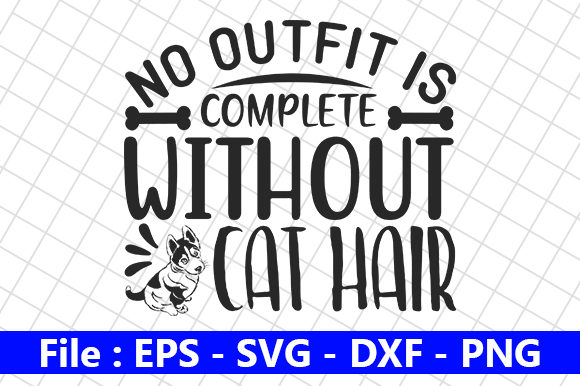
The phrase “No Outfit is Complete Without Cat Hair” immediately sets a tone of humor and relatability. It’s a lighthearted nod to pet ownership, something many people can connect with on a personal level. The design itself appears to be centered around this theme with cat hair imagery or related visuals, likely stylized in a playful way. From the file types provided (EPS, SVG, PNG, DXF), it seems like this is a digital clip art package rather than a full embroidery file. That means the visual layout is probably clean and adaptable for both cut machines and embroidery digitization tools.
I appreciate how the title suggests a fun yet slightly cheeky message — perfect for casual apparel or handmade items where a little sass adds charm. The design feels more like a conversation starter than a rigid logo. Its visual personality leans toward modern crafters who enjoy mixing humor with creativity, making it ideal for personalized gifts, boutique branding, or Etsy sellers looking to add character to their products.
Real-Life Use Cases and Performance
This design has potential across multiple applications. Let’s say you're creating custom tote bags for a local artisan market. You want something that stands out but also feels approachable. No Outfit is Complete Without Cat Hair could be the perfect addition. Depending on how it's digitized, it might work well as an applique design with satin stitch outlines or as a fill-stitched graphic. Either way, it adds a unique touch without overwhelming the fabric.
If you're working on sweatshirts or t-shirts, the design’s layout will need to be proportionally balanced. If it includes text, the font choice should be legible at a distance while still being stylish enough to complement the overall look. For baby clothes or nursery decor, you’ll want to consider scaling it down and using soft thread colors to keep the aesthetic gentle and appealing to parents.
Patches are another strong use case. The quote format works well in embroidered patches for backpacks, denim jackets, or even keychains. Just make sure the stitch density is tight enough to prevent fraying during repeated handling or washing.
For holiday gifts or seasonal items, this design brings a warm, humorous twist. Imagine it stitched onto a festive apron or a cozy pillow cover — it instantly becomes a giftable item with a personality. The same goes for tea towels or kitchen décor, where the whimsy of the design can fit right in with other home-related motifs.
Where to Use with Caution
While the design has broad appeal, there are a few situations where extra attention is needed:
- Small hoop sizes: If the design includes intricate elements or detailed lettering, it may not translate well when scaled down. Always check if all important features remain clear and intact after resizing.
- Textured or stretchy fabrics: Designs with fine lines or small details can get lost on knits or flannel. Consider simplifying the stitch count or adjusting the tension to maintain clarity.
- Dark backgrounds: Thread color contrast becomes critical here. While the design might look great in preview on light fabric, its impact could be muted on darker materials. Testing different thread combinations is a must.
- Curved surfaces: If you plan to use this on caps or curved areas of garments, ensure the design is symmetrical or can be easily split for seamless placement.
- Products needing frequent washing: Dense stitch areas can pill or fade faster, especially on cotton blends. Look for opportunities to simplify the design or choose durable thread types for longevity.
Visual Appeal and Customer Reactions
One of the things I love most about this design is how it balances humor with elegance. The message isn’t too loud, but it’s just quirky enough to spark conversation. In real-life projects, I’ve seen similar themed designs increase buyer engagement because they tap into shared experiences — in this case, the joys and messes of living with cats.
When applied correctly, No Outfit is Complete Without Cat Hair elevates the visual appeal of a handmade product. It shows attention to detail and a sense of humor, which are both qualities customers notice and trust. Whether it’s used as a decorative accent or the focal point of a piece, it adds value by enhancing the storytelling aspect of your craft business.
From a branding perspective, this design helps establish a consistent voice. If you’re running an Etsy shop or selling at craft fairs, having a signature style — like this lighthearted, pet-centric motif — can help build recognition. Customers start to associate your brand with quality and personality, which leads to repeat sales and word-of-mouth referrals.
Designer Notes for Real Project Use
Before using No Outfit is Complete Without Cat Hair in any project, I recommend the following steps:
- Test on scrap fabric first: Especially if you're planning to use it on delicate or stretchy materials. This gives you a chance to see how the stitches lay and whether any adjustments are needed.
- Check thread color contrast: If the design uses white or pastel threads, test them against your chosen fabric background to ensure visibility.
- Review stitch density: Overly dense stitching can cause puckering or pilling, especially on thin or frequently washed fabrics. Adjust accordingly.
- Confirm hoop size: Since the exact requirements aren’t listed, always verify that the design fits within your available hoop dimensions. If it doesn’t, consider splitting the design or re-digitizing parts of it.
- Inspect small details: If the design includes tiny letters or intricate patterns, zoom in to ensure they won’t disappear once stitched.
- Use proper stabilizer: This is crucial for achieving clean, crisp results. Backing and tear-away stabilizers can help manage fabric movement and support complex stitch areas.
- Test in black and white mockups: Sometimes color choices don’t show up as expected. Seeing the design in grayscale can help you avoid surprises later.
- Compare light and dark fabric backgrounds: This helps you understand how versatile the design really is and what variations you might need to offer.
- Ensure licensing compliance: Since it’s a graphics-based design, double-check the terms of use before incorporating it into commercial embroidery or digital product listings. Licensing clarity is essential for Etsy sellers and small shop owners.
Enhancing Product Value and Professionalism
When integrated thoughtfully, No Outfit is Complete Without Cat Hair can enhance the perceived value of a finished product. It adds a layer of intentionality — showing that the maker understands their audience and knows how to deliver subtle charm through design.
For hobbyists and creative entrepreneurs, this design serves as a reminder that even simple phrases can become powerful design assets when executed with care. It’s the kind of asset that makes your handmade product feel less generic and more authentic.
On a professional level, using this design in client projects or boutique merchandise requires confidence in how it will perform across different substrates and sewing techniques. If you're designing for a commercial embroidery run, you’ll want to confirm the design’s scalability and durability under mass production conditions.
Final Thoughts from a Designer’s Perspective
In my experience, the best embroidery designs are those that feel like they belong — not just visually, but emotionally. No Outfit is Complete Without Cat Hair does exactly that. It’s a design that resonates with pet lovers, crafters, and anyone who appreciates a good laugh in their daily life.
Whether you're digitizing it for a custom sweatshirt or using it as part of a printable mockup for your next digital embroidery listing, this design has the potential to become a favorite among your customers. But remember: every fabric tells a different story. Take the time to understand how this one will stitch and present on your specific project. That’s what separates a good design from a great one.
So go ahead, give it a try — but do so with a designer’s eye and a crafter’s heart. Your customers will thank you for the attention to detail, and your finished products will shine with personality.