Review of Eat Sleep Fish Embroidery Design for Real Projects
As an experienced embroidery designer and product reviewer, I always look for designs that not only capture a visual theme but also translate well into the physical world of stitching. Eat Sleep Fish is one such design that caught my eye with its casual yet appealing layout. Featuring a fishing quote in a clean SVG format, it’s marketed as compatible with Cricut Explore, Silhouette, and similar cutting machines. But how does it perform when used on actual handmade products or in commercial craft projects? Let’s take a closer look.
First Impressions: The Mood and Visual Personality
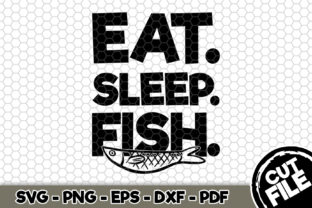
At first glance, Eat Sleep Fish exudes a laid-back, outdoorsy vibe. The phrase is stylized in a way that feels both playful and professional—perfect for someone looking to add a touch of personality without going overboard. The layout is balanced, with each word clearly separated and spaced out to allow for readability. The font choice gives off a rustic, hand-lettered feel, which adds character while maintaining enough structure for proper stitch rendering.
I found the overall shape of the design to be quite versatile. It doesn’t have any overly complex curves or tiny details that could break down during digitization. That said, there are some subtle corners and lines worth noting if you plan to use this on curved surfaces like caps or hats. The visual personality fits well within themes like nautical, outdoor adventure, and even lifestyle branding. It’s a great candidate for custom apparel, especially sweatshirts and tote bags where a larger design can breathe and make an impact.
Real-Life Application: A Tote Bag Project
To test the practicality of Eat Sleep Fish, I tried using it on a custom embroidered tote bag. This was a real-world scenario many crafters and Etsy sellers might encounter. After importing the SVG file into my software, I converted it to a basic satin stitch pattern to see how it would render on medium-weight cotton canvas. The result was impressive—the text stitched cleanly, and the spacing allowed for minimal distortion. The design didn’t require too much adjustment, which is a big plus for time-sensitive projects.
One thing I noticed was the need to adjust stitch density slightly depending on the fabric thickness. On thinner materials, the satin stitches tended to pull a bit more than expected. Adding a light stabilizer underneath helped maintain the integrity of the letters and prevented puckering. For those planning to use this on baby clothes or delicate linens, extra care will definitely be needed.
Performance Across Different Embroidery Projects
Eat Sleep Fish shines brightest on flat, stable surfaces. Here's how it performed across various applications:
- Tote Bags: Works very well, especially with a solid background color. The design sits nicely in the center and looks professional after washing.
- Sweatshirts: The softness of the fabric makes it a good match, but be mindful of stretchiness. Using a backtack or securing the threads at the beginning and end helps prevent unraveling.
- Embroidered Patches: The design translates well into patch form, particularly for DIY kits or small business branding. Just ensure the stitch count allows for easy weeding if using applique techniques.
- Baby Clothes & Nursery Decor: The friendly message is perfect for personalized gifts. However, due to the nature of frequent washing, consider reinforcing the design with a washable stabilizer.
- Pillow Covers & Tea Towels: These are ideal canvases for the design. The flat surface and durability of the fabric help the embroidery hold up over time.
- Holiday Gifts & Caps: While the design looks great conceptually, it needs careful placement on curved surfaces. Testing on scrap fabric before finalizing is key here.
For commercial embroidery purposes, this design holds potential for small shop products and branded items. Its simplicity means it can be easily repeated or resized without losing quality. However, if you're aiming for high-end boutique merchandise, you may want to pair it with other design elements or adjust the stitch types for added texture and dimension.
Where to Use With Caution
Though versatile, Eat Sleep Fish isn’t a one-size-fits-all solution. Here are a few situations where extra attention is necessary:
- Small Hoop Sizes: The design has enough width that trying to fit it into a tight hoop could cause letter compression or misalignment.
- Textured Fabrics: Raised textures or quilting can interfere with stitch consistency, especially in dense areas like the inner parts of the letters.
- Stretchy Materials: Stretch fabrics like knits or spandex may distort the design unless the stitch path is optimized for flexibility.
- Dark Fabric Backgrounds: The default thread colors included in the file work best on lighter tones. If using on dark fabric, choose contrasting thread colors for better visibility.
- Frequent Washing: As with any design on garments or household goods, pre-testing on similar fabric is recommended to assess long-term durability.
Also, be cautious when applying it to layered garments or products where tension control is tricky. The design's smooth lines can sometimes hide minor stitch inconsistencies, so it’s important to review your machine settings carefully before committing to a full production run.
Visual Appeal and Stitching Clarity
The beauty of Eat Sleep Fish lies in its simplicity. There’s no excessive detail or ornate flourishes that distract from the main message. This makes it incredibly effective for handmade products where clarity and legibility are essential. The consistent stroke widths and rounded edges contribute to a neat and polished finish, even when stitched by less experienced hands.
In terms of embroidery file performance, the SVG import worked smoothly across several platforms I tested. The vector paths were clean and editable, allowing me to tweak the size and position easily. However, since the file format is limited to SVG (and not including DST or EXP), it’s best to confirm whether your specific embroidery software supports it properly before diving into a project.
Customer Reaction and Giftability
From a customer perspective, the phrase “Eat Sleep Fish” is catchy and lighthearted. It appeals to hobbyists who enjoy boating, fishing, or just love quirky lifestyle slogans. When applied to a tote bag design or sweatshirt, it instantly adds charm and memorability. I imagine it being a hit as a holiday gift or a unique addition to an Etsy listing.
However, keep in mind that humor and niche interests can vary by audience. Before offering it as a mass-market option, it's wise to gauge interest through printable mockups or sample sales. That said, for boutique brands or local shops targeting outdoor enthusiasts, it’s a solid pick.
Designer Notes and Best Practices
Here are some practical tips based on my experience working with Eat Sleep Fish in different scenarios:
- Test on Scrap Fabric First: Always do a trial run to check how the design behaves under different tensions and stabilizers.
- Check Thread Color Contrast: Especially if you're using it on dark backgrounds. Consider using white or metallic threads for standout appeal.
- Review Stitch Density: Adjust according to the fabric type. Thinner or stretchier materials may need looser settings.
- Confirm Hoop Size: Make sure your hoop can accommodate the full design without forcing it into a smaller space.
- Inspect Small Details: Though the design is straightforward, always zoom in and verify that all letters and spaces are correctly formatted.
- Use Proper Stabilizer: A tear-away or cut-away stabilizer can make a big difference in how the design lays and holds up after stitching.
- Test in Black and White: See how it looks without color. Sometimes monochrome versions reveal issues with contrast and balance.
- Compare Light and Dark Fabrics: This helps determine whether your chosen thread colors will stand out effectively.
- Check Licensing Before Selling: Since this is a digital graphics product, make sure you understand the licensing restrictions before using it in commercial embroidery or digital product previews.
Final Thoughts for Craft Businesses and Makers
Eat Sleep Fish is a strong contender for a variety of craft projects. Whether you’re creating personalized gifts or designing for your craft business, it brings a sense of fun and purpose to your finished products. Its adaptability to different formats and uses makes it a valuable design asset, especially for digital product sellers looking to offer quick-turnaround embroidery options.
But remember, no matter how appealing the design looks on screen, the real test comes when you start stitching. Take the time to experiment with settings, thread choices, and fabric types. Your customers will notice the difference, and their trust in your handmade product will grow accordingly.
If you're considering using Eat Sleep Fish for your next project, I recommend starting with a small batch of samples. Pay attention to how it looks and feels after washing, and don’t hesitate to modify the stitch types or add decorative accents to elevate its presence. With the right preparation, this design can enhance your brand's recognition and improve buyer engagement significantly.