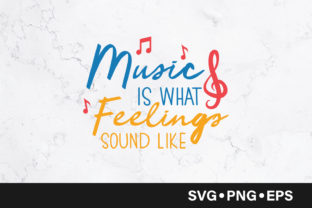
Music is What Feelings Sound Like
When I first pulled up the file for Music is What Feelings Sound Like, my immediate thought wasn’t about the technical specs, but about the vibe. As a designer who spends hours scrutinizing stitch paths and density maps, it is easy to get bogged down in the mechanics of an embroidery file. But this design cuts through the noise with a sentiment that feels both timeless and deeply personal. It sits squarely in the intersection of Crafts and Graphics, offering a versatile template that can elevate everything from a simple tote bag to a high-end boutique apparel line.
The phrase itself carries weight. It suggests emotion, connection, and the intangible nature of art. For an embroidery project, this translates to a need for clarity and elegance. You do not want this text getting lost in a sea of chaotic stitching. The layout needs to breathe. In my review of this asset, I am looking at how well it balances visual appeal with practical execution, ensuring that when a customer wears or uses the finished product, the message remains legible and impactful.
First Impressions and Visual Personality
The initial download reveals a clean structure, which is always a relief. You receive a zip file containing SVG, PNG transparent, and EPS formats. While these are standard for cut files like Cricut or Silhouette projects, their inclusion here signals that the original vector artwork was built with precision. This matters immensely for machine embroidery because a clean vector source usually means cleaner digitizing results. If the underlying graphic is sharp, the conversion to stitches will likely follow suit.
Mood-wise, the design feels modern yet warm. It avoids the overly ornate or cluttered aesthetic that plagues many digital products. Instead, it offers a minimalist approach that allows the typography to take center stage. This makes it incredibly adaptable. It does not scream for attention; rather, it invites the viewer to pause and read. For a small business owner, this is gold. It works equally well on a rustic burlap sack for a farmhouse-style decor item or on sleek black cotton for a contemporary streetwear brand. The versatility is its strongest selling point, allowing you to pivot your marketing strategy based on current trends without needing new designs every week.
Real-World Application: From Screen to Stitch
Let’s talk about putting this into practice. Imagine you are preparing a custom order for a client who wants a personalized gift for their partner. They love music, obviously, but they also appreciate subtle, meaningful details. You decide to use Music is What Feelings Sound Like on a high-quality canvas tote bag. This is a classic choice for a reason. Totes are durable, highly visible, and serve as walking billboards for your craft business.
However, before you load the hoop, you have to think about placement. On a flat surface like a tote or a sweatshirt back, the design will shine. The text will be clear, and the surrounding negative space (if any) will help frame the quote beautifully. But what if you try to place it on a cap? Curved surfaces present a challenge. If the lettering is too intricate or if the font weights vary too much, distortion can occur during the stitching process. For curved items like hats or fitted sleeves, I recommend testing the design in a smaller hoop size first to ensure the curvature does not warp the readability of the phrase.
Another strong candidate for this design is baby embroidery. A onesie or a burp cloth featuring this quote adds a layer of sophistication to nursery gifts. Parents often look for items that feel "grown-up" rather than childish cartoons. This design hits that sweet spot. It feels sentimental without being cliché. When paired with soft pastels or neutral tones, it creates a premium look that justifies a higher price point in your Etsy shop or handmade market stall.
Performance on Different Fabrics
Fabric choice is critical. This design performs best on stable, medium-weight fabrics. Cotton, linen, and denim provide the necessary structure to hold the stitches without puckering. If you attempt this on a thin, stretchy jersey knit without proper stabilization, you risk distortion. The tension might pull the fabric, causing the letters to wobble or the spacing to shift. Always use a tear-away or cut-away stabilizer depending on the fabric type. For delicate materials, a water-soluble topping might even be necessary to prevent thread sheen from showing through unevenly.
Dark fabrics require careful thread selection. If the text is light-colored against a dark background, contrast is key. Ensure your digitized version includes enough underlay stitches to cover the base fabric completely. Conversely, on white or light fabrics, you have more freedom to experiment with vibrant thread colors. This design lends itself well to metallic threads for a touch of luxury, especially if you are creating holiday embroidery gifts or wedding favors.
Where to Exercise Caution
While this is a robust design, it is not immune to the pitfalls of embroidery. There are specific scenarios where Music is What Feelings Sound Like might struggle. Small hoop sizes are the biggest culprit. If you try to cram this entire phrase into a 4x4 inch hoop, the letters may become too small to stitch clearly. Tiny lettering loses definition quickly, turning into a blurry mess rather than crisp text. Stick to hoops that allow each character adequate breathing room.
Textured fabrics are another area to watch. Bouclé wool, heavy corduroy, or shaggy faux fur can obscure fine details. The texture of the fabric competes with the texture of the thread, leading to a muddy final result. Similarly, dense stitch areas can cause bulkiness. If the design includes large fill stitches around the text, it might become stiff and uncomfortable, especially on apparel that needs to drape softly. Inspect the stitch density in your digitizing software before committing to production.
Layered garments, such as hoodies with thick seams, also pose a risk. Sewing over existing seams can cause needle deflection, leading to misaligned stitches. Plan your layout carefully to avoid these obstacles. And finally, consider the end-use. Products that require frequent washing, like aprons or kitchen towels, need durable stitching. Loose ends or weak anchor points can unravel over time. Reinforce your start and stop points to ensure longevity.
Practical Designer Notes for Success
To get the most out of this machine embroidery design, follow these practical steps:
- Test First: Never run a full production batch without a test stitch-out. Use scrap fabric that matches the weight and texture of your final product.
- Check Contrast: Review your thread colors against your fabric. Low contrast leads to poor visibility and dissatisfied customers.
- Verify Licensing: Before selling finished items or using this in commercial embroidery projects, confirm the licensing terms. Some digital assets restrict commercial use or require attribution.
- Mockup Wisely: Create printable mockups to visualize the design on different products. This helps in marketing and gives buyers a clearer idea of the final appearance.
- Inspect Details: Zoom in on the SVG and EPS files to check for any unintended artifacts or overly complex paths that might complicate the digitizing process.
Ultimately, Music is What Feelings Sound Like is a strong addition to any designer’s toolkit. It combines emotional resonance with structural integrity, making it suitable for a wide range of applications. Whether you are an Etsy seller looking to boost your listings or a hobbyist crafting a heartfelt gift, this design offers the flexibility and quality needed to succeed. By paying attention to fabric choice, hoop size, and stitch density, you can transform this digital asset into a tangible, professional-looking finished product that resonates with your audience.
In the competitive world of handmade goods, differentiation comes from quality and thoughtful execution. This design provides a solid foundation for that. It is not just a quote; it is a statement piece waiting to be brought to life by your needle and thread. Treat it with care, test it thoroughly, and you will find that it pays dividends in customer satisfaction and brand reputation.