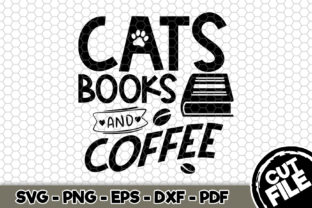
Cats, Books and Coffee Embroidery Review
As a designer who spends more time staring at stitch lines than actual coffee cups, I approach every new digital asset with a mix of hope and skepticism. We all know the feeling: you find a cute graphic online, buy it for your craft business, and then realize too late that it doesn’t translate well to thread. Today, I am putting Cats, Books and Coffee through its paces. This is not just about looking at a PNG; it is about understanding how this design will behave on the hoop, how it will hold up after twenty washes, and whether it has the commercial viability needed for an Etsy shop or a local craft fair.
First Impressions and Visual Personality
The moment you load the file into your embroidery software, the theme speaks for itself. It targets a very specific, highly engaged demographic: the cozy, book-loving cat owner. In the world of machine embroidery design, niche appeal is often more valuable than broad appeal because it drives higher conversion rates among dedicated hobbyists. The composition of Cats, Books and Coffee suggests a lifestyle brand rather than a generic clip-art piece. It feels curated.
Visually, the design promises warmth. For a handmade product to succeed, it needs to evoke an emotion before the customer even touches it. This design aims for comfort. Whether intended as an applique design or a standard stitched graphic, the layout likely balances the whimsical nature of a cat with the intellectual charm of books, anchored by the universal love of caffeine. It creates a mood that is perfect for slow living enthusiasts. However, as a reviewer, my job is to look past the concept and examine the execution potential. Does the visual weight balance out? Is there enough negative space for the eye to rest, or does it feel cluttered when scaled down?
Real-World Application: From Screen to Stitch
Let’s talk about where this design actually lives in a maker’s workflow. I envision Cats, Books and Coffee shining brightest on soft, forgiving fabrics. A heavyweight cotton sweatshirt is the obvious candidate here. The texture of fleece or brushed cotton complements the cozy theme perfectly. When embroidered on a sweatshirt, the design gains depth, especially if it utilizes a mix of satin stitch for outlines and fill stitch for the main bodies.
However, versatility is key for any serious craft business. This design could easily transition from apparel to home goods. Imagine this motif centered on a linen tea towel or a sturdy canvas tote bag. For a tote bag, the durability of the stitches becomes paramount. If the design includes fine details, such as whiskers or text on a book spine, those areas must be reinforced. A tote bag design takes a beating, so the structural integrity of the embroidery matters. Similarly, for baby items like a muslin blanket or a onesie, the softness of the surrounding fabric makes the slightly raised texture of the embroidery pleasant against sensitive skin, provided the underlay is not too stiff.
I also see strong potential in the gift market. Personalized gifts are a cornerstone of the Etsy seller economy. This design works exceptionally well as a holiday embroidery project. Think Christmas stockings, New Year’s resolutions journals, or birthday presents for the "bookworm" friend. The combination of cats and coffee is universally liked, making it a safe yet thoughtful choice for customers who want something personalized but not overly sentimental.
Where Caution Is Required
No design is flawless, and Cats, Books and Coffee is no exception. There are specific scenarios where this file might struggle. Small hoop sizes are the first red flag. If the design relies on tiny lettering or intricate facial features on the cat, shrinking it down can result in muddy stitching. Satin stitches may merge together, losing their definition. Always check the minimum recommended hoop size before committing to a small patch or a cap front panel.
Fabric choice is equally critical. Textured fabrics, such as heavy waffle weaves or boucle knits, can hide the details of the design. Thin or stretchy fabrics pose a risk of puckering if the stabilizer is not chosen correctly. Dark fabrics present a different challenge; if the design uses light-colored threads for highlights, they may get lost against a black background unless a high-density underlay is used. Furthermore, curved surfaces like baseball caps require careful digitizing to ensure the design sits flat. If the stitch density is too high, the curvature of the hat will distort the shape, making the cat look stretched or squashed.
Technical Considerations for the Designer
Before uploading this to your shop or starting production, there are several technical steps every professional should take. First, always test the design on scrap fabric. This is non-negotiable. You need to see how the thread colors interact with your specific material. A color that looks vibrant on screen might appear dull in polyester thread.
Review the stitch types closely. Does the design use a combination of running stitch, satin stitch, and fill stitch effectively? A good embroidery file uses these variations to create texture and interest. If the entire design is just dense fill stitch, it will feel heavy and rigid. Look for areas where the digitizer has used lighter stitches to suggest shading or detail, which adds a professional touch.
Inspect small details under magnification. Are the corners of any book shapes sharp, or do they look blobby? Are the cat’s eyes distinct? These micro-details separate amateur work from professional quality. Additionally, convert the design to black and white in your software to check contrast. If the design loses its readability without color, it may lack sufficient tonal variation.
Finally, confirm your licensing. As a digital product seller or someone selling finished goods, you must ensure you have the right to sell items made from this design. Some licenses restrict commercial use or limit the number of units you can produce. Never assume; read the terms attached to Cats, Books and Coffee.
Final Verdict
Cats, Books and Coffee is a strong contender for makers looking to expand their catalog with cozy, relatable themes. It appeals to a loyal audience and fits seamlessly into various product categories, from custom apparel to home decor. Its success, however, depends entirely on proper execution. By choosing the right fabric, using adequate stabilizer, and testing thoroughly, you can transform this digital graphic into a high-quality finished product that customers will cherish.
For the small shop owner, this design offers a low-risk, high-reward opportunity. It taps into popular trends without being overly trendy, ensuring longevity in your inventory. Just remember to respect the technical limitations, prioritize quality control, and let the craftsmanship speak for itself. If handled with care, this design can become a staple in your embroidery project library, driving sales and building brand trust one stitch at a time.